The first fight in a relationship is normal, and on its own it usually isn’t a sign the relationship is over. What matters most is how the two of you come back from it in the next day or two.
If you’re replaying what was said and wondering if you ruined everything, take a breath. One fight is one moment. How you both handle the next step tells you much more.
Is the first fight in a relationship a bad sign?
Usually not. In the first months you’re both on your best behavior, so a first fight is often the first time a real difference comes out, like how much time to spend together or how plans get made.
A first fight can even help. It’s the first real look at how you both act when you’re upset, and whether you can find your way back.
Watch how it ends and what happens after. Those answers matter more than what the fight was about.
Can you both cool down? Can one of you reach out? Can you talk about it without it blowing up again?
When a fight is more than a fight
Some things are not part of a normal fight. Take them seriously:
- You feel afraid of them, or afraid of what they’ll do.
- There are threats, or they break or throw things.
- They call you names to hurt you, again and again.
- They try to control who you see, where you go, or your phone.
If any of this is happening, you deserve real help. You can call the National Domestic Violence Hotline at 1-800-799-7233, any time. If you ever think about hurting yourself, call or text 988 to reach the Suicide & Crisis Lifeline.
If that’s you, skip the steps below and call first. They are for a normal fight between two people who both feel safe.
In the first few hours
If it was a normal fight, start here. When you’re upset, it’s easy to say more than you mean. A few things help:
- Don’t send long texts. A wall of text in the heat of the moment is hard to take back, and tone gets lost.
- Take some space, and say so. “I need a bit of time to calm down, I’ll text you later” tells them you’re coming back.
- Don’t vent about it online. Keep it between the two of you.
How to reach out after
Once you’ve cooled down, send a short message. It doesn’t need to fix anything. It just opens the door.
- “I didn’t like how that went. Can we talk tonight?”
- “I’m sorry I raised my voice. I still want to talk about it, just calmer.”
- “I care about you, and I want to understand what happened. Call later?”
If they reach out first, meet them halfway. A short, warm reply is enough to start.
How to talk about it
Pick the one thing you need them to hear. Say only that. A fight about being late is often about feeling like a low priority, so name that part.
Try this shape:
“When you [what happened], I felt [one word]. What I need is [one small thing].”
For example: “When you canceled last minute, I felt like I didn’t matter. What I need is a heads up when plans change.”
Then listen to their side without planning your answer. Ask, “What was it like for you?” You may find you were upset about different things.
If it’s hard for you two to talk at all, the article on lack of communication in relationships has words for that.
Signs you’re coming back from it well
- You both say sorry for your own part.
- You understand what the other person was upset about, even if you still see it differently.
- You agree on one small change, like a heads up when plans move.
- Things feel warm again within a few days.
If you two are still new and haven’t talked about what you are, a first fight can bring that up too. The guide to defining the relationship can help with that talk.
Your next move today
If it was a normal fight and you haven’t talked since, send one short message that opens the door. Then write down the one thing you need them to hear, so you’re ready when you talk.
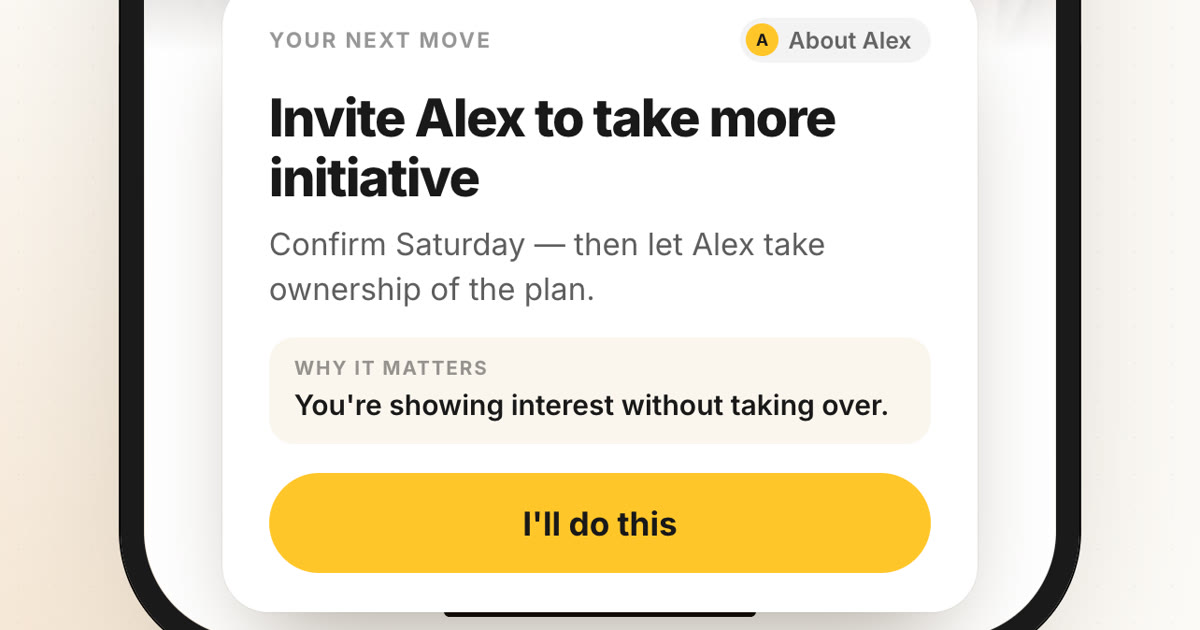
When it’s a normal fight and you want help with what to say, Vera is an AI relationship coach. You share a chat and she shows you what is working, what to improve and your next move.